Whales and Dolphins off La Palma: Is the Marine-Biologist Boat Trip Worth It?
Updated October 25, 2026 · 5 min read

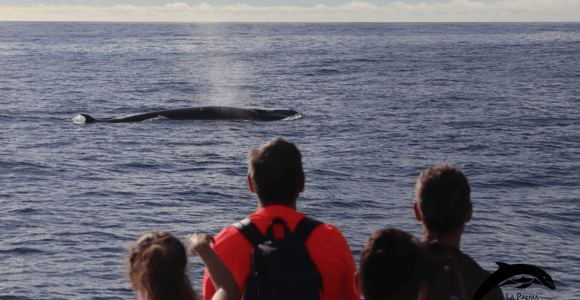
The marine-biologist boat trip is the clearest choice if learning about the animals matters as much as spotting them. It lasts three hours, starts at €60 and has 1,180 reviews. That is far more feedback than any other sea trip in the La Palma selection, but it still cannot promise a whale or dolphin sighting: these are wild animals in the Atlantic.
What the marine biologist changes
A standard wildlife cruise can take you to likely areas. A marine biologist can explain behaviour and how to identify the animals. That turns quiet periods into part of the experience rather than dead time. It is especially useful when a distant fin or brief surfacing would otherwise mean little to you.
The expert does not control the sea. Read the booking page for the operator’s policy when no cetaceans appear; do not assume a free second trip or refund unless it is stated for your booking. Weather can also alter the route or cancel departure.
The main alternatives
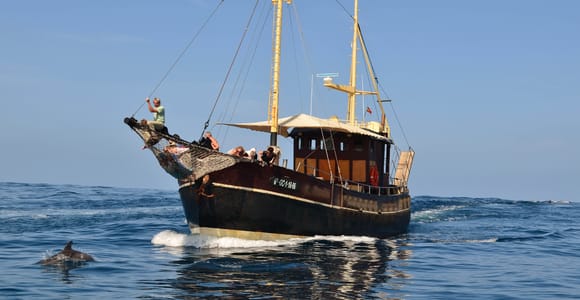
The three-hour specialist wildlife trip begins at €60. A four-hour coastline cruise with tapas and barbecue begins at €80 and has 173 reviews. The extra hour and food make it a leisure cruise first; choose it when being on the water and seeing the coast matter even if wildlife is brief.
If you would rather be in the water than on the boat, the selection includes a two-hour snorkelling trip with equipment hire from €35 and 96 reviews. It does not replace whale watching, but it is a different sea experience. If your central question is “which species did we see?”, the marine-biologist format remains the better match.
| Boat trip | Duration | From | Main reason to choose it |
|---|---|---|---|
| Whale and dolphin trip with marine biologist | 3 hours | €60 | Wildlife interpretation |
| Coastline cruise with tapas and barbecue | 4 hours | €80 | Longer leisure cruise and food |
| Snorkelling trip with equipment hire | 2 hours | €35 | In the water rather than on the boat |
Sea conditions matter
La Palma rises steeply from the ocean, and an apparently calm harbour does not tell you how the Atlantic feels outside it. If you are prone to seasickness, choose a day with a favourable forecast, sit where the crew advises and keep your eyes on the horizon. Ask a pharmacist or doctor before travel about medication; this article does not recommend one.
Take a warm layer even in sunshine. Spray, wind and shade on a moving boat feel cooler than the promenade. Sun protection and drinking water are sensible, but confirm what the operator provides rather than assuming it is included.
Families and accessibility
Do not infer a minimum age from the three-hour duration. Operators set their own participation rules, and the current summary does not establish one. Check the child policy and availability of suitable life jackets on the exact booking page.
Likewise, a boat being large enough for a group does not make it step-free. Ask the operator to confirm boarding, seating and toilet access for the actual vessel if mobility is a concern. Tide and swell can change the gap at the quay.
When this trip is not the right choice
Skip it if anyone in your group would regard a trip without a sighting as a failed day. Wild-animal tourism works only when uncertainty is acceptable. The coastline cruise is a better fit when food, scenery and time at sea can carry the experience on their own.
Our recommendation
For a first wildlife trip, choose the €60 marine-biologist boat trip. Its three-hour length is manageable and the interpretation gives the outing value beyond a checklist of sightings. Choose the €80 coastline cruise instead for a slower social trip with food. Compare the current departures on the La Palma boat and sea tours page.